USMCA Review: Why Mexico Has More Leverage Now
A legal ruling that went largely unnoticed outside trade and policy circles has changed the balance of power heading into the USMCA Review.
For companies already operating in Mexico — or evaluating manufacturing in Mexico — the decision matters because it reduces one of the most disruptive risk scenarios: broad, unilateral tariffs imposed by the U.S. executive branch.
Table of Contents
What Changed With the IEEPA Tariff Ruling?
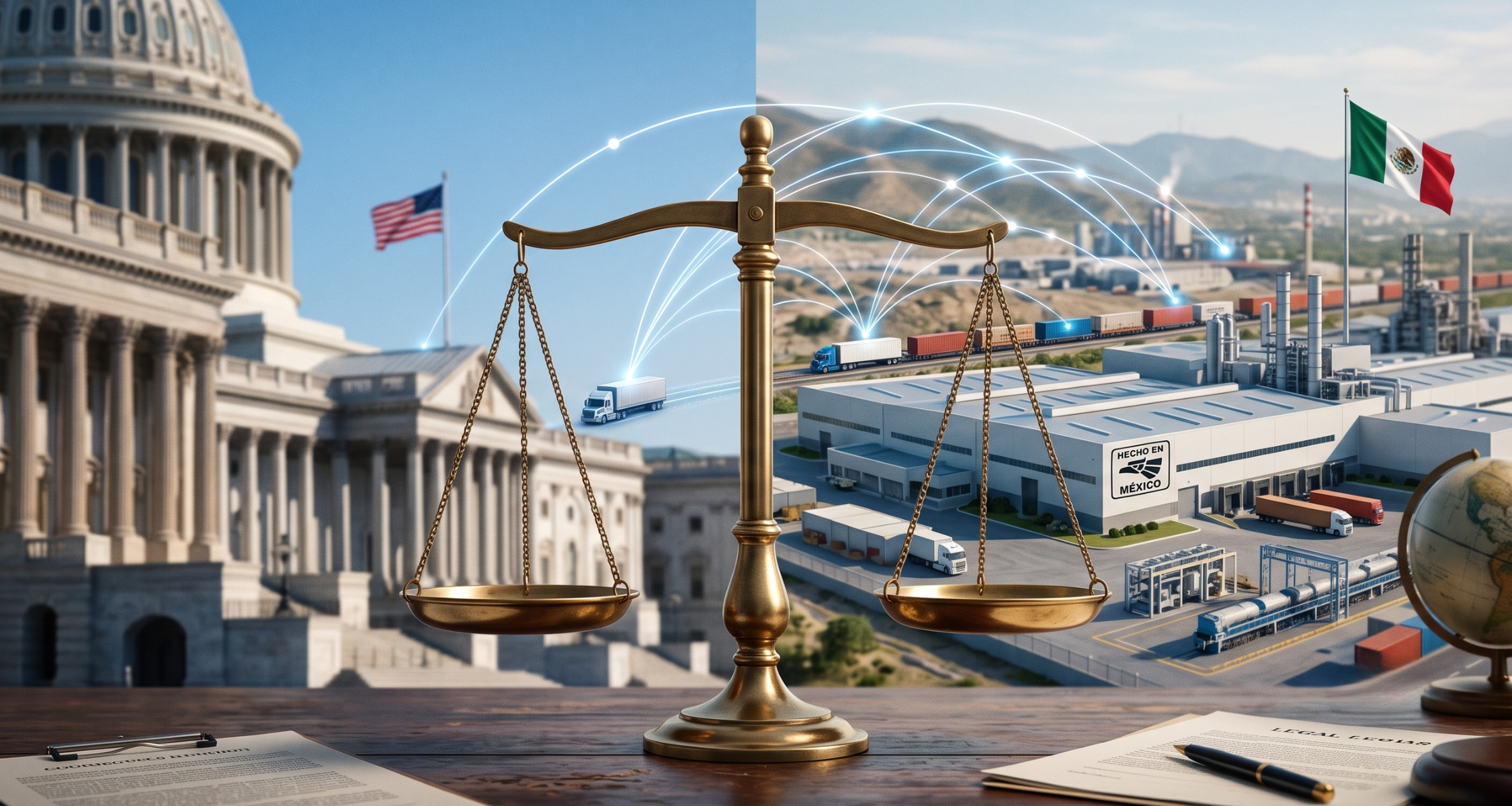
The U.S. Supreme Court ruled that the International Emergency Economic Powers Act, known as IEEPA, does not give the president unlimited authority to impose tariffs unilaterally.
In practical terms, this means that if the Trump administration wanted to impose significant tariffs on Mexico through a similar emergency-power mechanism, it would need a stronger legal basis or congressional authorization.
That does not eliminate trade pressure. But it does make sweeping, unilateral tariff threats harder to execute.
For manufacturers considering nearshoring in Mexico, this distinction is important. The risk environment has not disappeared, but it has become more structured.
Mexico Enters the USMCA Review From a Stronger Position
The ruling narrows the room for a broad renegotiation driven only by the White House.
That gives Mexico a stronger position heading into the 2026 USMCA Review, because the negotiation is more likely to move through the formal USMCA process rather than through immediate tariff escalation.
The U.S. will still seek concessions. But it now has a greater incentive to use the institutional mechanisms of the agreement instead of relying primarily on emergency tariff threats.
Drastic Changes Are Less Likely, but Pressure Remains
For manufacturers, the key takeaway is simple: the risk of massive, sudden tariffs on Mexico has been reduced, but the core issues of the USMCA Review remain active.
The real negotiation will still focus on:
- Rules of origin.
- Regional value content.
- Chinese-origin inputs in North American supply chains.
- Labor enforcement.
- Compliance in strategic manufacturing sectors.
In other words, the ruling lowers the extreme-risk scenario, but it does not reduce the need for operational preparation.
Rules of Origin Will Remain a Central Issue
One of the most important questions in the USMCA Review will be whether products manufactured in Mexico truly qualify as North American under the agreement.
That is why USMCA rules of origin will remain a critical topic for companies exporting from Mexico into the United States.
If your operation depends on Asian components, especially inputs from China, now is the time to analyze whether your products qualify under current rules — and whether they will continue to qualify under stricter standards.
What This Means for Manufacturers in Mexico
For companies already manufacturing in Mexico, this ruling creates an opportunity to move from uncertainty to preparation.
Manufacturers should review:
- Product origin structure.
- Regional value content.
- Exposure to Chinese-origin components.
- Supplier documentation.
- Labor and compliance practices.
- Flexibility to adapt to new USMCA requirements.
The companies that prepare early will be in a stronger position if the USMCA Review leads to tighter enforcement or stricter qualification standards.
Regional Manufacturing Still Makes Strategic Sense
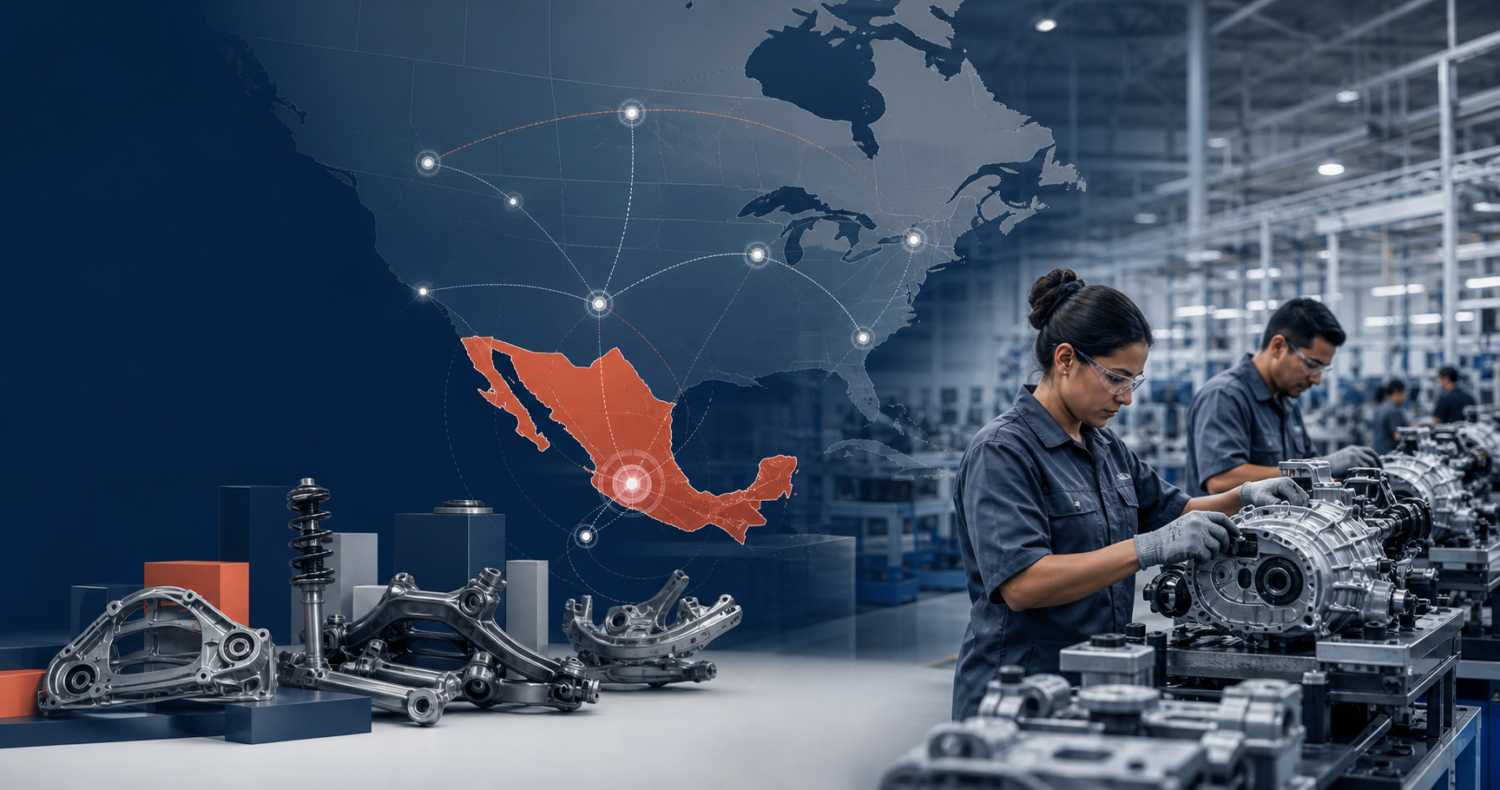
The ruling reinforces a key point: Mexico remains central to North American manufacturing strategy.
The legal landscape may be shifting, but the operational logic of regional manufacturing is still strong. Companies need proximity, supply chain resilience, tariff planning, labor availability, and a structure built for compliance.
At The Nearshore Company, we help manufacturers design and operate Mexico-based operations with compliance, scalability, and long-term stability in mind.
How Could This Change Impact Your Operation?
If your company manufactures in Mexico or is evaluating a nearshoring strategy, this is the right moment to review how the changing legal and trade environment could affect your costs, sourcing, and compliance structure.
Schedule a session with our team to analyze how this shift could impact your operation specifically.