
Nearshoring in 2026: What Private Equity Investors Must Get Right
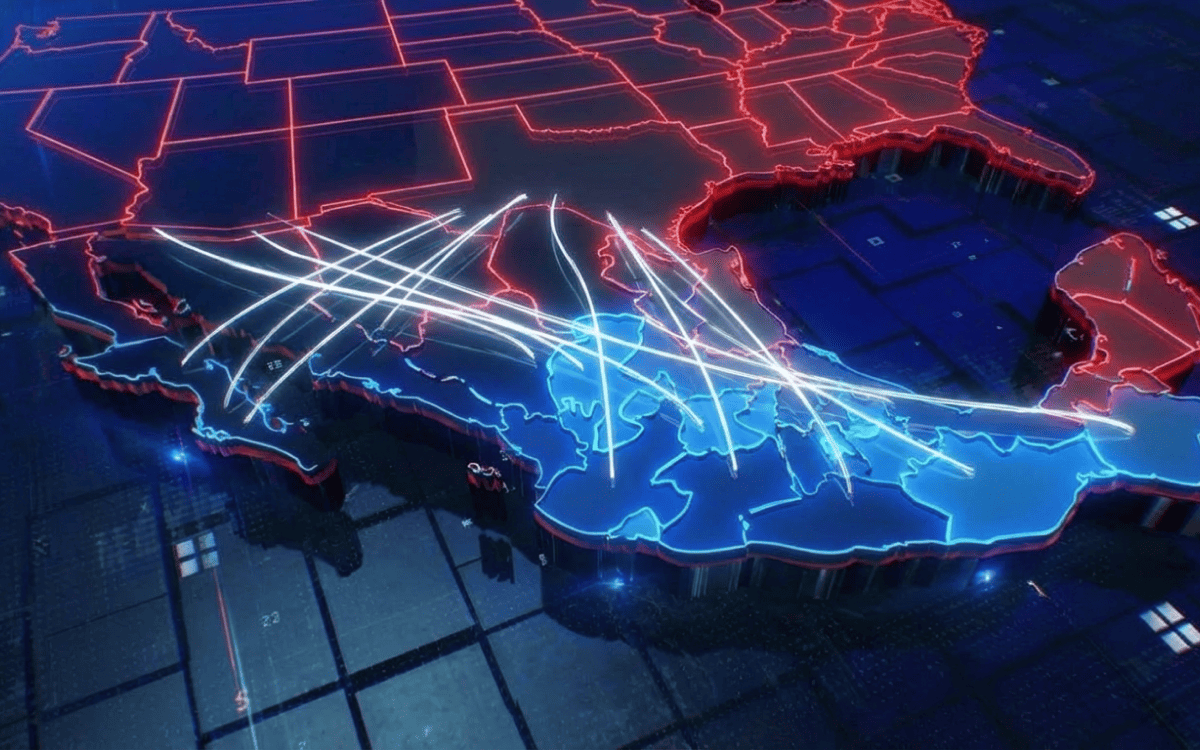
Nearshoring has entered a new phase. What began as a tactical response to supply chain disruption has, by 2026, become a strategic consideration embedded in how private equity firms evaluate risk, structure investments, and position portfolio companies for long-term growth. For investors active in Texas and across the broader North American manufacturing ecosystem, the implications are especially pronounced. Nearshoring is no longer a question of whether to act, but how to do so intelligently and at scale.
Table of Contents
Nearshoring Is Now an Underwriting Assumption, Not a Contingency Plan
Private equity firms once viewed nearshoring as a hedge against uncertainty. Today, it increasingly shows up earlier in the investment lifecycle, influencing diligence assumptions and operating models from the outset. Shorter supply chains translate into faster inventory turns, tighter forecasting, and improved customer responsiveness. For portfolio companies serving U.S. markets, particularly those with customers in Texas and the broader Sun Belt, proximity has become a competitive necessity rather than a differentiator.
This shift reflects a broader recalibration of risk. Extended ocean transit times, volatile freight costs, and geopolitical friction have exposed the fragility of distant production models. Nearshoring reduces exposure to these variables and brings operational performance closer to management teams and boards. For private equity investors operating on defined hold periods, that visibility and control can materially affect returns.
Mexico’s Value Proposition Has Matured Beyond Labor Arbitrage
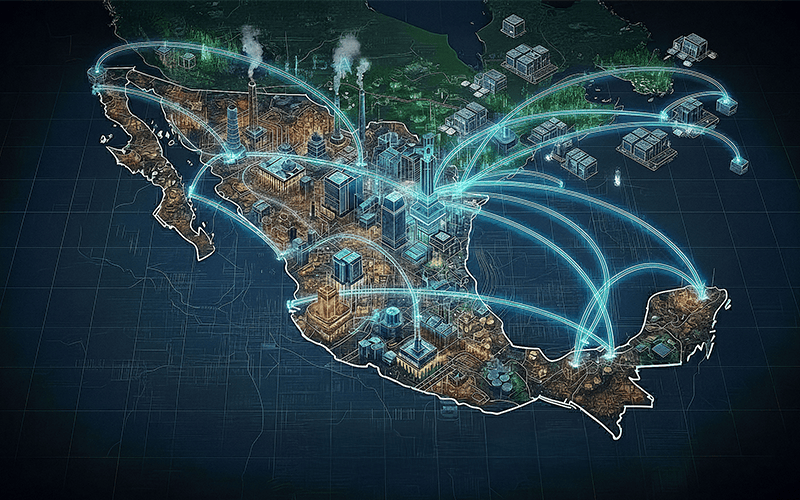
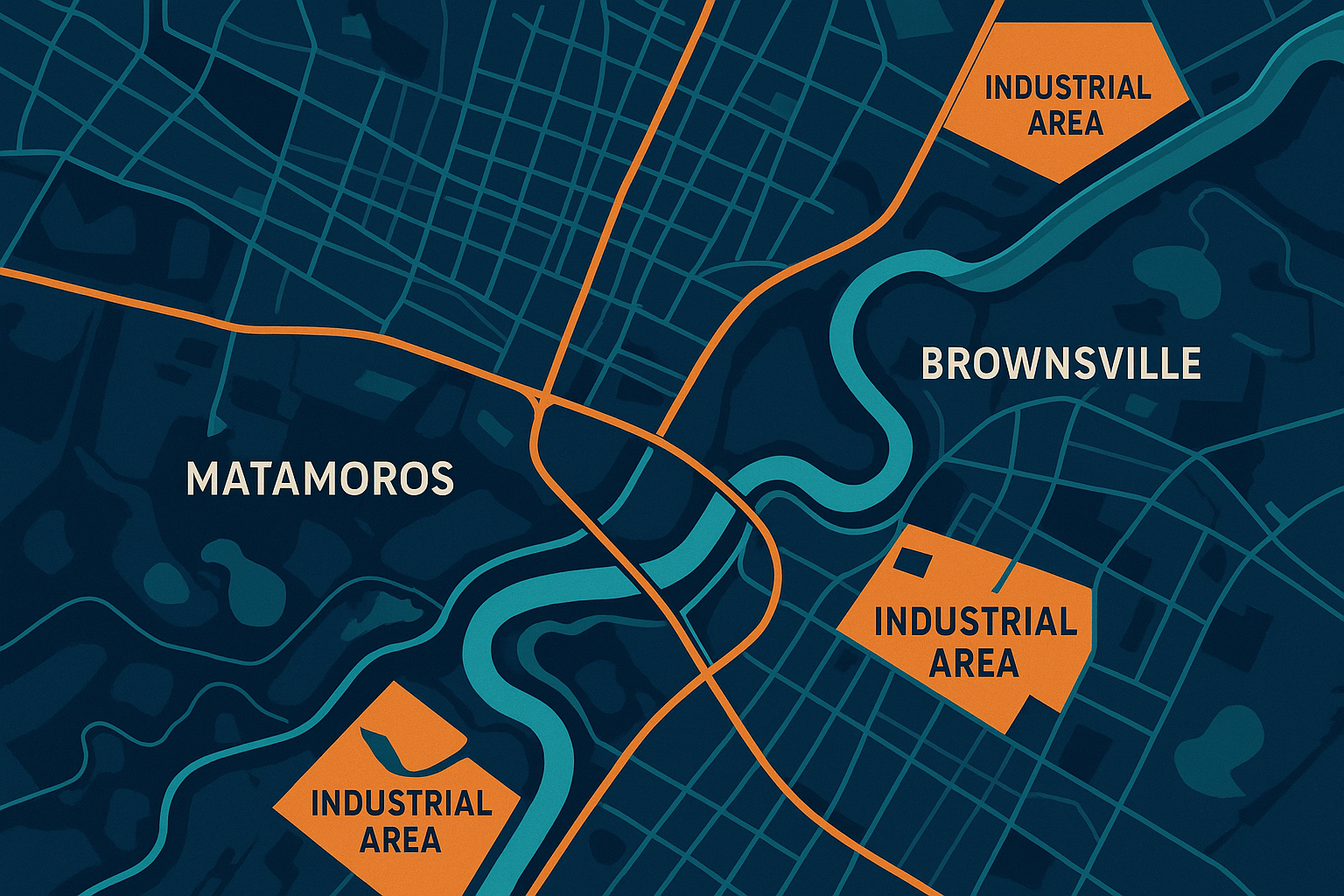
In 2026, Mexico’s appeal to private equity-backed manufacturers extends well beyond cost considerations. The country has developed deep industrial specialization across regions, supported by a skilled workforce, modern infrastructure, and growing domestic supplier networks. Northeastern Mexico, in particular, has emerged as a critical manufacturing hub, with the Matamoros–Brownsville corridor offering direct connectivity to Texas-based operations and customers.
For investors, this regional maturity matters. Manufacturing ecosystems in Nuevo León, Tamaulipas, and Coahuila are now capable of supporting complex, high-mix production across automotive, medical devices, electronics, and industrial components. Site selection is no longer about finding available square footage; it is about aligning portfolio companies with the right talent pools, logistics corridors, and supplier density to support growth through the investment horizon and beyond.
Trade Policy and USMCA Dynamics Shape Exit Readiness
Trade considerations are no longer confined to legal or compliance teams. As private equity firms look ahead to 2026 and beyond, the structure and durability of supply chains increasingly influence exit outcomes. The USMCA framework has provided stability, but ongoing discussions around enforcement, tariffs, and the agreement’s upcoming review cycle have elevated trade alignment to a strategic priority.
Buyers and public markets are scrutinizing geographic exposure and trade compliance more closely, particularly in sectors sensitive to tariffs or regulatory change. Portfolio companies with operations aligned to North American trade frameworks are often perceived as lower-risk and more scalable. For Texas-based investors, nearshoring into Mexico offers a practical way to balance cost efficiency with trade certainty while preserving access to U.S. markets.
Execution Risk Has Become the Primary Differentiator
While nearshoring is widely understood conceptually, execution remains the most common stumbling block. Establishing operations in Mexico requires navigating regulatory requirements, labor onboarding, supplier qualification, and cross-border governance, all while maintaining operational continuity. Delays or missteps can erode anticipated returns and distract management teams at critical moments in the value-creation cycle.
As a result, private equity firms are increasingly focused on speed to operational readiness. The ability to move from decision to production without prolonged ramp-up periods has become a key differentiator. This is particularly relevant in high-growth regions like Northeastern Mexico, where demand for industrial space and skilled labor continues to rise. Investors who prioritize execution discipline and local expertise are better positioned to realize nearshoring’s full potential.
Nearshoring Has Evolved into a Value-Creation Lever
Perhaps the most important shift is how nearshoring fits into broader value-creation strategies. In 2026, leading private equity firms are integrating nearshoring with automation, digital systems, and operational excellence initiatives. Nearshore facilities are often designed to support modern manufacturing practices from day one, enabling greater standardization, improved quality control, and faster response to customer demand.
Environmental, social, and governance considerations further reinforce this evolution. Reduced transportation distances lower emissions, while proximity to operations improves oversight and workforce engagement. For investors responding to growing expectations from limited partners, nearshoring offers a tangible way to demonstrate progress without sacrificing competitiveness. These attributes are increasingly recognized during diligence and exit processes, reinforcing nearshoring’s role in long-term value creation.
Looking Ahead
Nearshoring is no longer simply about bringing production closer to home. For private equity investors, it has become a foundational element of building resilient, scalable portfolio companies. Firms that approach nearshoring with clarity, regional insight, and execution discipline are better positioned to manage risk while unlocking new sources of growth.
As 2026 unfolds, nearshoring’s strategic importance will only continue to expand. Those who understand the nuances of today’s nearshoring landscape—particularly the opportunities emerging across Texas and Northeastern Mexico—will be best prepared for what comes next.