
Nearshoring in 2026: The Top Strategic Decisions Manufacturers Must Make in Q1
The calendar may have flipped, but for many U.S. manufacturers, the real work starts now. January isn’t just resolution season, but decision season. And for companies keeping an eye on nearshoring, Q1 2026 is the moment to turn interest into action.
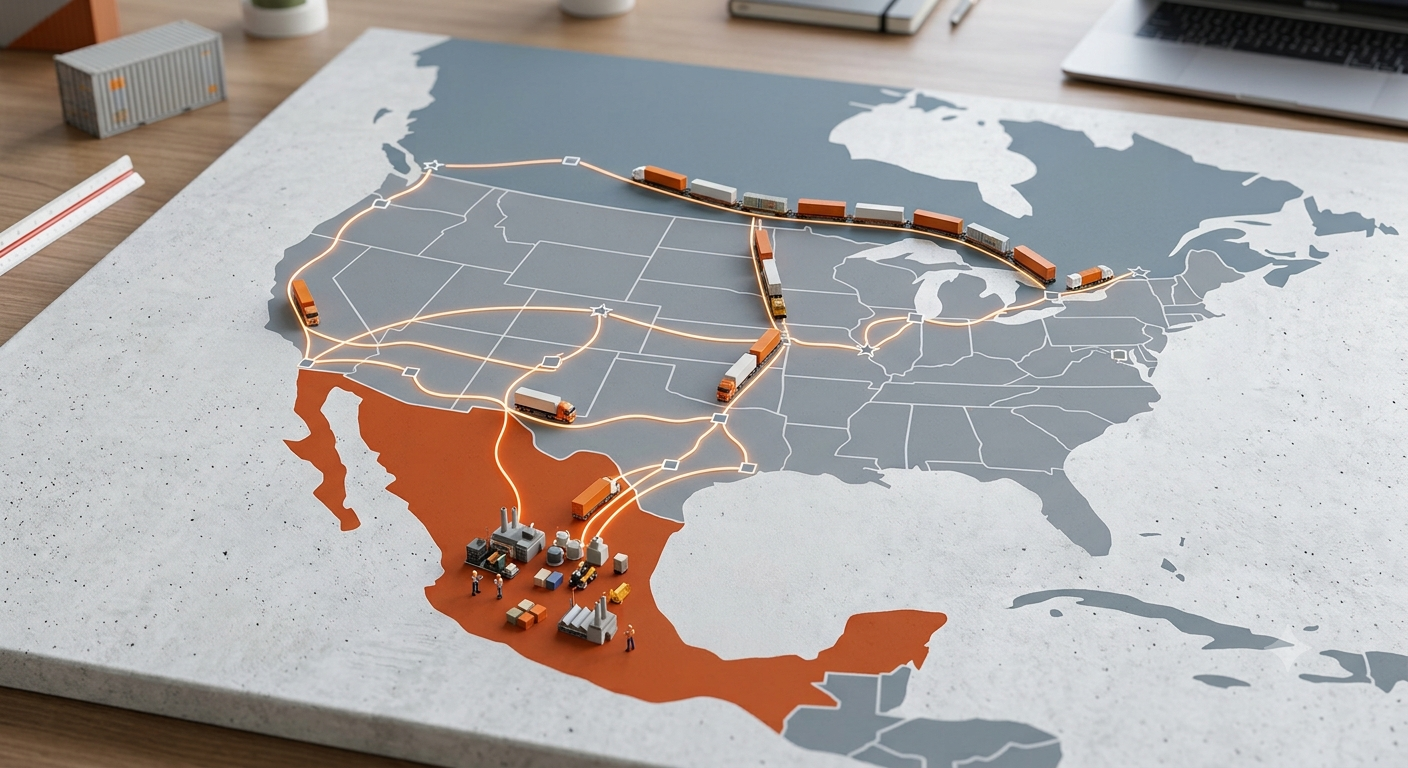
Why? Because the landscape has shifted. The USMCA review cycle is underway. U.S.–China relations have frozen solid, with no thaw in sight. Capacity in northern Mexico is tightening. And Mexico’s infrastructure buildout — from the Green Corridors to the Interoceanic trade route — is reshaping logistics strategy in real time.
The cautionary tale, in all this, for you, dear reader: If nearshoring is even on the table for your 2026 plans, these first 90 days are critical.
Table of Contents
Start with site strategy: Q1 is when the best options are still available
By February or March, you won’t be the only company calling brokers in Monterrey or Querétaro. Industrial space in high-demand regions is being absorbed quickly, and the best sites — especially those with power, permits, and proximity to skilled labor — don’t stay on the market long.
That’s why Q1 is the sweet spot for location modeling. You’ve still got budget flexibility, hiring windows ahead, and time to build a deliberate, data-informed footprint strategy. Manufacturers that wait until summer to get serious often find themselves competing for leftover space — or forced into suboptimal setups that affect timelines and costs.
Run the numbers: updated 2026 benchmarks show the value is still there
Labor costs in Mexico remain highly competitive. For 2026, the fully loaded hourly rate for skilled operators in industrial regions like Saltillo and Guanajuato is still under one-fifth of comparable U.S. roles. Logistics costs are also stabilizing thanks to new intermodal hubs and upgraded port access in places such as the Bajío region and Pacific corridor.
Even with localized wage growth and inflation factored in, the nearshoring value proposition remains strong, especially when you layer in USMCA benefits, faster speed-to-market, and lower inventory risk. A Q1 financial model can help you translate those macro advantages into real business case scenarios.
Build your “Nearshoring Q1 Playbook”
For manufacturers just starting the process, here’s a simple playbook to guide the first quarter:
- Define your operating goals: What do you want from Mexico? Lower cost? Faster lead times? Redundancy? Full-scale manufacturing?
- Shortlist strategic locations: Match labor availability, supplier ecosystems, and logistics access to your product type.
- Engage with a shelter partner early: This can shave months off your timeline and help you avoid regulatory pitfalls.
- Request site tours and cost scenarios: Real-world options beat hypothetical ones. Go see what’s available.
- Develop your internal story: Bring Finance, Ops, and Supply Chain to the table. Nearshoring is a team sport.
The Nearshore Company helps you move fast and smart
The good news? You don’t have to navigate this alone. The Nearshore Company supports manufacturers through every stage — from site scouting and labor market analysis to shelter setup, permitting, and workforce planning.
We’ve helped dozens of U.S. firms de-risk their entry into Mexico, and in Q1, we’re ramped up to support more. Whether you’re looking for a single facility or a multi-site expansion plan, we’ve got the on-the-ground insight to make it happen quickly, safely, and strategically.
Don’t let Q1 pass you by
The first quarter sets the tone for the entire year. If nearshoring is in your future, the time to move is now — before the best space, labor, and logistics windows start to close. 2026 is already in motion. Make sure your manufacturing strategy is, too.