
CFO Planning Guide to Tariffs, Duties, and Cost Control
Tariffs and import/export duties have become a serious cost concern for companies operating across borders. Recent U.S. trade announcements about trade measures and regulatory shifts in international trade regulations have increased pressure on supply chains, making financial planning for trade more complex and volatile.
In this scenario, CFOs are expected to evaluate risks early, adjust financial forecasts fast, and identify strategic action plans that reduce exposure to supply chain risks. This article explores effective tactics for CFOs, including tariff strategy development, operational cost control, and the role of nearshoring in promoting global trade compliance.
Table of Contents
What Challenges Do CFOs Deal With in Global Trade Today?
Tariffs impact product pricing, financial planning, supplier relationships, and the long-term stability of a business. Starting August 1, new U.S. tariffs will apply to imports from the European Union and Mexico, with general rates set at 30% and some sectors, like autos, facing a 25% tariff. As a result, CFOs need to monitor specific areas closely:
- Margin pressure: Tariff increases can reduce gross margins by 6% to 10%, according to CFODive, particularly for companies that depend entirely on imported materials or components.
- Supplier cost shifts: A vendor that was cost-effective last year may now be difficult to justify. Reviewing contracts, delivery terms, and total landed costs becomes essential.
- Investment delays: Current uncertainty around trade policies can put expansion plans, capital expenditures, or vendor negotiations on hold.
- Increased end-to-end costs: Tariffs frequently raise costs at every stage, affecting overall profitability from sourcing and manufacturing to shipping and distribution.
- Disruptions to operations: If tariffs are not controlled, they may result in unforeseen changes to the supply chain, price adjustments, or even product strategy.
How Can CFOs Respond To Upcoming Tariff Pressure?
To reduce the financial impact of tariffs, CFOs can take action across different parts of the business. These strategies focus on control, flexibility, and better forecasting to support long-term risk mitigation:
1. Track Risks Beyond Your Direct Suppliers
Tariff risk is not always visible in direct contracts. It’s necessary to trace the origin of materials and components through multiple supplier layers to help identify indirect exposure and improve cost modeling and forecasting.
2. Move Sourcing to Lower-Tariff Countries
Payment terms, pricing structures, and escalation clauses should be reviewed to create flexibility in case of tariff adjustments. In these cases, agreements that allow cost-sharing or price reviews under defined conditions offer greater stability under trade pressure.
3. Forecast Costs Under Different Tariff Scenarios
Scenario planning tools should simulate tariff changes and show how different duty levels affect margins, cash flow, and inventory needs. These models help CFOs react quickly to trade shifts by adjusting sourcing plans, pricing strategies, or capital allocation.
4. Reduce Dependence On High-Tariff Regions
Shifting procurement to countries with lower trade barriers helps stabilize landed costs and reduce exposure to tariff fluctuations. Many companies now source from Southeast Asia, Latin America, or domestic suppliers to manage long-term trade uncertainty more effectively.
5. Manage Currency Risks Alongside Tariffs
Tariffs often coincide with exchange rate fluctuations, compounding costs for companies that rely entirely on imported goods. Identifying FX risk and using hedging strategies can help protect margins when importing under volatile trade and duty conditions.
6. Coordinate Finance, Legal, and Operations Teams
Finance, procurement, legal, and operations teams must collaborate closely to analyze trade impacts and coordinate timely responses. Shared visibility into tariff exposure reduces delays, minimizes errors, and improves consistency in execution across the organization.
How Nearshoring Helps CFOs Respond to Tariff Pressures?
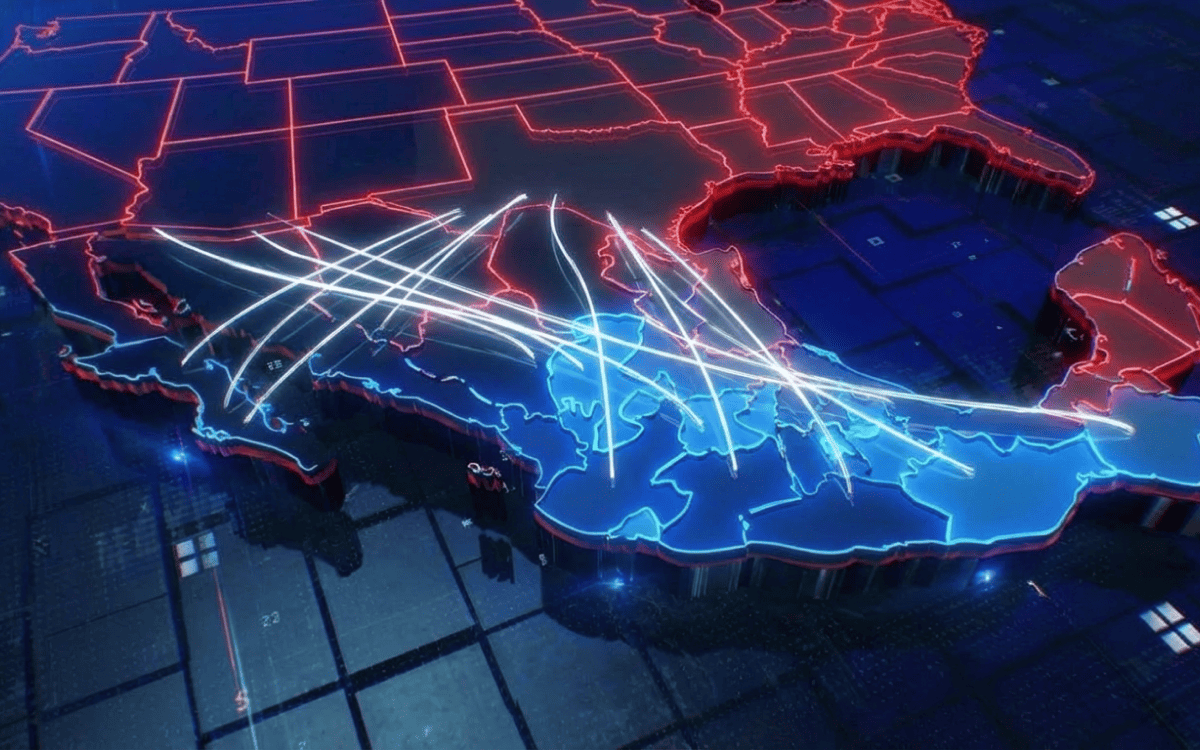
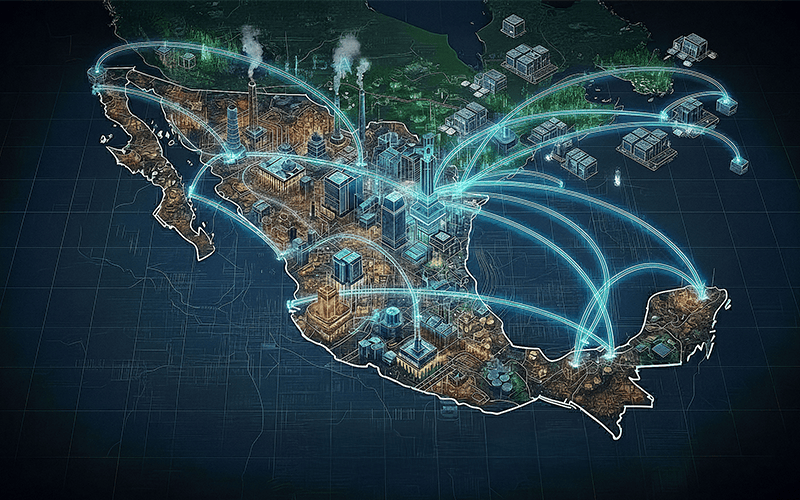
Relocating parts of the supply chain to nearby countries has become a practical option for reducing tariff exposure and improving cost control. One common approach is nearshoring in Mexico, which helps lower costs and increase operational flexibility, especially in the country’s main industrial cities.
According to KPMG data published by CFODive, Mexico could represent 36% of U.S.-serving supply chains by 2026, surpassing Canada. This trend makes nearshoring even more attractive as a long-term and cost-effective strategy for CFOs. Here are the financial and operational advantages:
- Preferential tariff treatment under USMCA: Goods manufactured in Mexico regularly qualify for duty-free or low-duty entry into the U.S., unlike imports from Asia or other high-tariff regions. This reduces direct costs and minimizes the risk of policy-driven price shocks.
- Lower logistics costs and shorter lead times: Proximity to U.S. markets allows for faster delivery cycles and lower transportation expenses. It also minimizes the need for high safety stock and improves inventory planning accuracy.
- Labor cost advantages with regulatory predictability: Mexico offers a competitive cost structure compared to U.S. production, while offering more regulatory stability than other emerging markets. Manufacturing wages are still favorable, with consistent access to skilled labor in key industrial zones.
- Improved cash flow management: Shorter shipping timelines and lower import duties help reduce the amount of working capital tied up in inventory and customs. In situations where prices fluctuate, this increases forecasting accuracy and liquidity.
- Stronger supply chain visibility and responsiveness: Managing suppliers within a closer range simplifies audits, strengthens quality control, and supports faster reactions to disruptions or regulatory changes.
The trend toward nearshoring is partially driven by continued tariff pressure from major trade partners. Recent changes affecting the EU and Mexico, along with existing U.S. tariffs on China, have led many companies to revisit their sourcing strategies and reduce exposure to external trade risks.
Turning Tariff Pressure Into Opportunity with The Nearshore Company
Tariffs continue to influence global supply strategies, and CFOs are expected to lead the financial response. Managing these pressures requires flexible contracts, diversified suppliers, and stronger planning. In response, 19% of CFOs are fast-tracking nearshoring or reshoring to reduce exposure to tariffs, according to Industry Dive.
At The Nearshore Company, we help companies design and implement nearshoring strategies in Mexico that align financial goals with operational needs. Contact us to guide you every step of the way.