
Automotive Nearshoring: Restoring Quality at Scale
In the automotive world, perception and performance are inseparable. When components land on the showroom floor—especially those visible to consumers—every surface, finish, and fit has to meet an uncompromising standard.
For one Tier-1 supplier supporting a major OEM program, that standard was suddenly at risk. Their previous supplier was struggling to maintain quality on a demanding cosmetic component, threatening delivery schedules, OEM confidence, and program continuity. Switching geography wasn’t the issue; restoring quality was.
That’s where The Nearshore Company stepped in.
Table of Contents
When Quality Became the Constraint
Automotive suppliers are built to manage cost, timing, and complexity. But there’s a fourth variable that can eclipse them all: quality.
This manufacturer didn’t need lower freight costs or a new production footprint. Instead, they needed a partner who could rapidly stabilize a highly sensitive cosmetic process. “Piano black” finishes may look minimalist and elegant, but in modern automotive production, they’re notorious for exposing defects the moment a part meets the light. Even minor inconsistencies can trigger rejections, rework, and scrap.
In this case, quality wasn’t a KPI — it was the whole business case.
Turning a High-Risk Program into a Controlled Operation
The Nearshore Company worked with the supplier through a contract manufacturing engagement designed specifically for quality recovery.
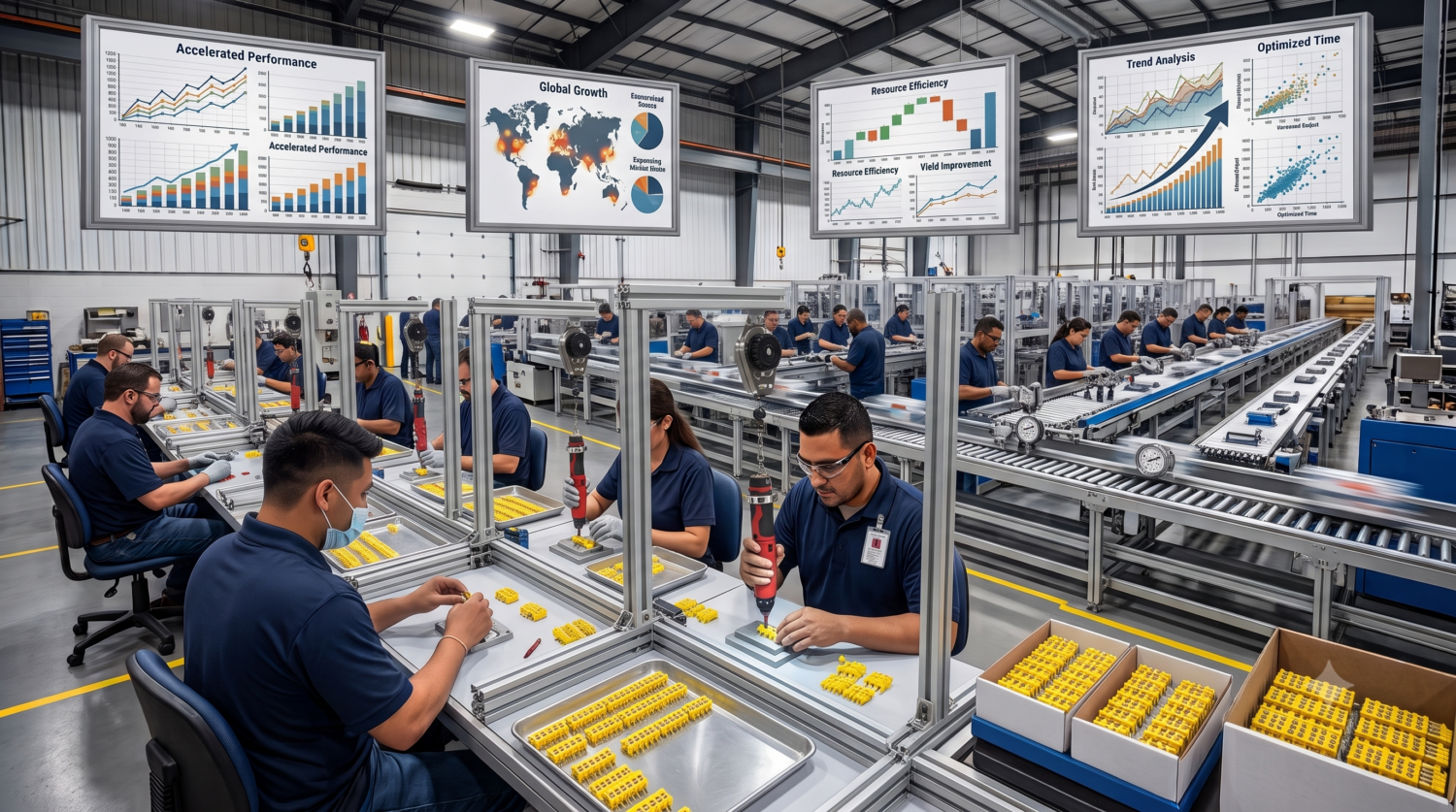
Instead of jumping straight to volume, the process began with controlled production aligned to OEM ramp schedules. Engineering teams collaborated across operations, paint suppliers, and quality control to lock in performance. Optimizing paint materials and application parameters helped stabilize the finish, while continuous monitoring of yield and scrap drove fast, visible improvements.
In a sector where scrap and delays cascade through the supply chain, a controlled approach beat a high-speed one.
The Results: Confidence Restored, Risk Reduced
Quality stabilized. Scrap dropped. Yield improved. Most importantly, the OEM regained confidence in the supplier’s ability to support a program where aesthetics are as critical as function.
This wasn’t a story about relocating to reduce labor costs; it was about using Mexico as a high-performance platform for resolving operational risk and protecting customer relationships. For suppliers in the automotive value chain, that distinction matters.
Why This Matters More Broadly to Automotive Manufacturers
Nearshoring has often been sold as a cost strategy. For automotive suppliers, it’s increasingly a resilience strategy. Whether the stress point is quality, labor, logistics, or compliance, Mexico can serve as a controlled environment to stabilize processes without jeopardizing OEM timelines.
For cosmetic components in particular—where the product is literally judged by appearance—having local technical expertise and tight collaboration between engineering, production, and materials can be the difference between crisis and continuity.
Ready for What’s Next
If you’re in the automotive sector and wrestling with manufacturing risk—quality bottlenecks, material challenges, or supplier instability—there’s a smarter way forward. The Nearshore Company has helped suppliers protect revenue, strengthen OEM relationships, and turn high-stakes programs into reliable operations.
Let’s talk about how nearshoring can support your next program with precision, control, and confidence.