Labor 2026: Why Mexico’s Manufacturing Talent Is the Hidden Driver of Nearshoring
Ask any U.S. or European manufacturer what’s keeping them up at night, and odds are you’ll hear the same thing: talent. Not just any talent, but skilled, technical, reliable workers who can meet the demands of modern manufacturing.
And while labor shortages continue to challenge operations in legacy markets, Mexico is quietly stepping into the spotlight with a workforce that’s deep, well-trained, and growing fast. Going into 2026, it’s one of the most important reasons companies are accelerating their nearshoring decisions.
Table of Contents
A new engineering superpower, hiding in plain sight
Let’s start with the headline stat: Mexico is now producing more than 130,000 engineering and technical graduates annually, outpacing many traditional industrial economies. That includes degrees in mechanical, industrial, and electrical engineering — all core disciplines for the automotive, aerospace, electronics, and appliance sectors. For companies used to recruiting from thinning talent pools in the U.S. or Europe, this is more than refreshing — it’s a strategic advantage.
Talent clusters are forming across the country
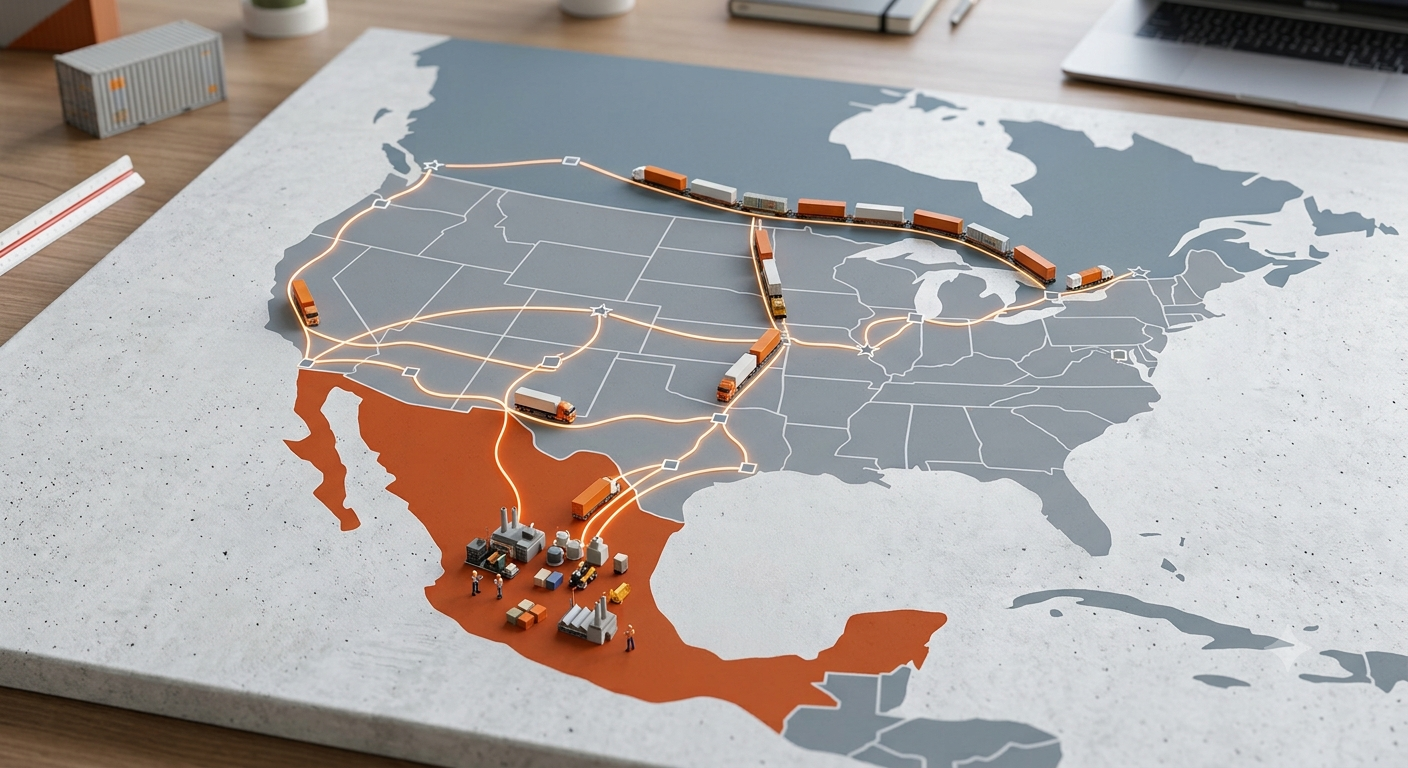
That skilled labor is not just concentrated in one city, either. It’s spreading — and fast — across the northern and central corridor of the country. Monterrey remains a top-tier engineering hub with direct pipelines into Nuevo León’s thriving manufacturing sector. Querétaro is seeing a surge in aerospace and advanced manufacturing talent, thanks to its cluster of technical universities and public-private training partnerships. Saltillo, long a backbone of the automotive sector, continues to produce highly specialized technicians and plant operators. And across the Bajío corridor — from Guanajuato to Aguascalientes — a growing number of companies are tapping into a labor force that blends youth, specialization, and regional pride.
Mexico isn’t just competitive — it’s a value standout
But let’s talk cost — because it still matters. Despite inflationary pressures worldwide, Mexico remains one of the most labor-competitive manufacturing destinations in the hemisphere. In 2025, fully loaded hourly labor costs for a skilled machine operator in Mexico are approximately 15–20% of those in the U.S., and roughly half of the same role in Eastern Europe. Compared to China, the gap is narrowing — but Mexico’s proximity, workforce stability, and access to U.S. markets give it a clear edge. It’s not about finding the cheapest labor — it’s about finding the best value, and Mexico is delivering that in spades.
Shelter services help you plug in faster, smarter
Of course, hiring in a foreign country isn’t as simple as flipping a switch. That’s where shelter services come in, and where companies like The Nearshore Company add real value. By partnering with a shelter provider, manufacturers can tap into Mexico’s labor market quickly and compliantly. From recruiting and onboarding to retention programs and workforce development, shelter solutions allow companies to scale up without shouldering the full administrative and regulatory burden of operating abroad. That means you can focus on production instead of paperwork, while building a team that’s trained to meet your exact standards.
The moment is now — and the talent is waiting
As 2026 manufacturing plans take shape, more companies are realizing that Mexico’s workforce is more than just available — it’s a strategic lever. While other regions struggle with aging populations, shrinking technical schools, and wage volatility, Mexico offers something refreshingly different: a skilled, motivated, and growing labor base that’s ready to power the next era of North American manufacturing.
This isn’t a future trend. It’s already happening. The only question is whether your team will be positioned to take advantage of it before your competitors do.