Tariff Wars Mexico: A Strategic Shift for Global Manufacturers
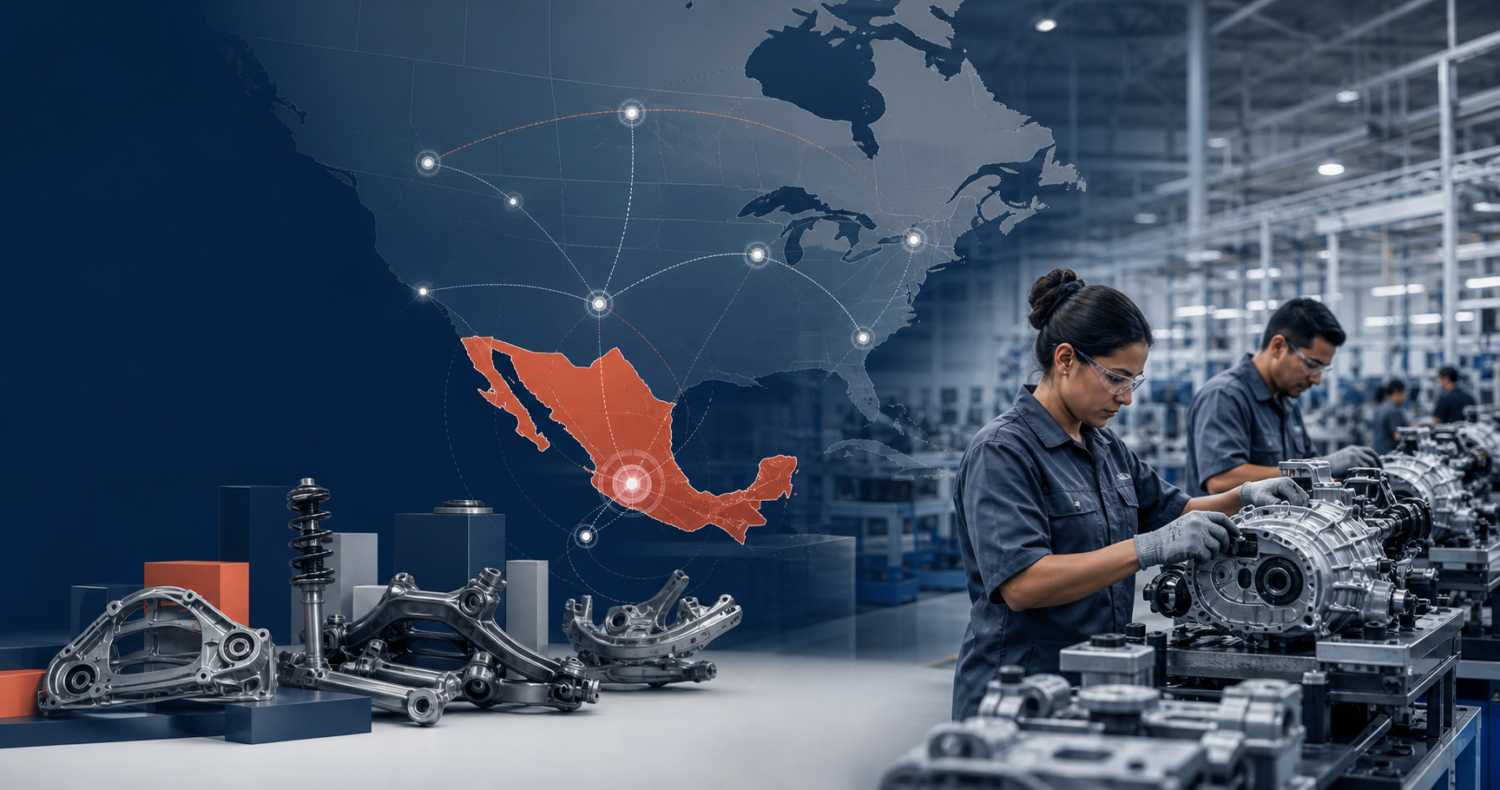
As current U.S. tariffs on China and other global markets intensify, manufacturers are looking for ways to reduce risk and optimize production costs. The impact of these trade disputes has led many companies to diversify their operations, and Mexico has become a strategic destination for relocating manufacturing hubs.
In this post, we analyze how tariff wars Mexico, despite volatile trade conditions, are driving a new wave of nearshoring and why investing in production facilities in Mexico helps global manufacturers stay competitive due to rising trade barriers.
Table of Contents
What Tariff Wars Mean for Global Manufacturers
Tariff wars are now a real obstacle for global production networks. Each round of new duties or trade restrictions creates long-lasting effects through supply chains, forcing companies to rethink how they source materials, manage inventories, and deliver products on time. In many cases, the uncertainty created is more costly than the tariffs themselves.
For manufacturers, these shifts make long, single-country supply chains increasingly risky and expensive. When tariff exposure can change within a single period, planning becomes unstable and costly.
Here’s how tariff wars are creating new challenges for production strategies:
- Higher shipping times and transportation costs as trade routes shift and customs delays increase.
- Greater exposure to unpredictable tariffs, especially in regions without consistent trade agreements, such as Asian countries.
- Trade instability under shifting U.S. policies is making long-term planning more difficult and less reliable.
What Does Mexico Offer That Helps Balance Tariff Risks
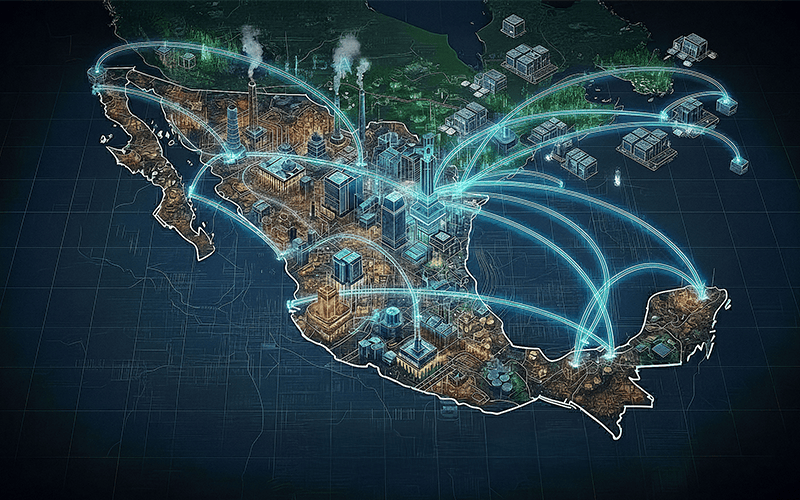
In the search for smart strategies, manufacturers are looking for countries that offer cost efficiency, predictable trade conditions, and easy access to major markets. Mexico brings together these three elements, positioning itself as a resilient hub for global production:
1. The Leading Trade Corridor with the United States
In 2024, Mexico surpassed the United States as the largest goods trading partner, with $839.9 billion in two-way trade, according to FreightWaves. This solid trade relationship reflects mature logistics and consistent demand between both countries.
2. USMCA Guarantees and Clear Content Rules
In January 2025, the U.S. issued an Interim Final Rule updating implementing regulations for automotive, textile, and other goods under USMCA. These updated rules offer guidelines for preferential tariff treatment, reducing ambiguity for manufacturers operating in Mexico and encouraging them to locate closer to final assembly sites.
3. Shorter, Low-cost Logistics to North America
Producing in Mexico reduces dependency on trans-Pacific shipping lanes. Cross-border trucking and rail offer more predictable transit, lower inventory buffers, and faster response to changing demand or tariff announcements.
4. Proximity to U.S. Customers
With plants and suppliers located within a day’s drive or flight, companies benefit from faster engineering changes, quality control, and accelerated production ramp-ups, advantages that distant sourcing can’t deliver.
5. Rising Nearshoring Force Led by Mexico
According to SIX Mexico, more than 17 % year-over-year rise in U.S. imports from nearshore countries, with Mexico leading the trend. This reflects how big manufacturers are reorganizing regional supply chains in direct response to trade disruptions.
Explore USMCA Nearshoring & Political Developments for up-to-date information on regulations and political shifts.
How Manufacturers Benefit from Mexico’s Trade Position
As tariff pressures intensify, manufacturers need regions that can handle cost fluctuations and maintain supply continuity. Mexico offers structural advantages that protect operations and profitability in volatile trade environments.
- Flexible production across key industries: Mexico’s industrial base covers automotive, electronics, medical devices, and consumer goods. This diversification allows global companies to rebalance production quickly when tariffs make imports from Asia or Europe less competitive.
- Cost efficiency under regional trade protections: Companies operating under the USMCA framework gain predictable access to the U.S. and Canadian markets without facing sudden tariff hikes. This reduces exposure to new trade duties and supports stable, long-term planning.
- Reliable logistics and supplier networks: Well-developed rail, highway, and port systems provide faster lead times compared to overseas sourcing. Additionally, local supplier clusters further reduce dependency on high-risk regions and help manufacturers meet origin requirements under North American trade rules.
Explore why Mexico is the engine driving North America’s automotive manufacturing growth.
How to Start Moving Production to Mexico Strategically
After understanding how Mexico adds resilience during trade conflicts, the next step is learning how to take action. The current tariff war dynamics require more than relocation; they demand CFO-level planning, cost analysis, and strong local partnerships.
Here’s how companies can turn Mexico’s trade and logistics advantages into measurable results:
1. Evaluate Your Tariff Exposure
Map your current supply chain to identify products most affected by new tariffs. This audit helps prioritize which components or processes to relocate under the USMCA framework to reduce long-term risk.
2. Build Regional Supply Resilience
Develop sourcing partnerships within Mexico and the broader North American region. Localizing critical suppliers guarantees compliance with origin rules and limits exposure to future tariff fluctuations.
3. Use Logistics As a Competitive Advantage
Mexico’s well-connected trucking, rail, and port systems make it possible to deliver to the U.S. within days. Shorter transit times reduce freight costs and improve agility when trade conditions shift unexpectedly.
4. Plan Scalable Expansion
Begin with assembly or component operations in industrial hubs such as Nuevo León, Coahuila, Matamoros, or Guanajuato. These regions offer specialized labor, reliable infrastructure, and established cross-border routes, allowing a smooth scale-up when demand grows.Learn more about Mexico’s 2025 trade development plans in Mexico Tariff News.
Tariff Wars Mexico: Advantage Checklist
Before deciding where to relocate or expand production, verify that your plan aligns with these Mexico-specific advantages:
| Key Factor | Why It Matters During Tariff Wars | What to Check |
|---|---|---|
| USMCA compliance | Ensures duty-free access to the U.S. and Canada | Confirm 75 % regional content and labor value compliance |
| Cost efficiency | Balances labor savings with supply-chain stability | Compare total landed cost vs. Asia-based sourcing |
| Proximity to U.S. markets | Cuts transit time and inventory levels | Evaluate cross-border shipping times and carrier capacity |
| Industrial clusters | Strengthens supplier networks and quality control | Identify local partners in automotive, electronics, or logistics |
| Stable trade access | Reduces the risk of a tariff war Mexico scenario | Track current tariff policies and regional trade updates |
Tariff Wars Mexico: The Reason Manufacturers Are Investing in Mexico
Tariff wars Mexico scenarios continue to impact the region, but Mexico is still a safe and efficient bridge for companies across different manufacturing industries. Thanks to its trade advantages, strategic location, and alignment with USMCA, it is a reliable path to resilience and operational continuity.
At The Nearshore Company, we help manufacturers move operations successfully into Mexico through personalized core services, guaranteeing faster setup, regulatory compliance, and long-term operational continuity.Contact us today to explore how your business can move production to Mexico efficiently and safely.