Matamoros: The Overlooked Gateway for Nearshoring Success
For all the talk about Monterrey, Querétaro, or Guadalajara as Mexico’s industrial stars, another city sits quietly at the edge of the map — and it might just be one of the smartest bets for U.S. supply chain leaders.
That city is Matamoros. Long called La Gran Puerta de México — “the Great Gate of Mexico” — this Tamaulipas border city is uniquely positioned to seize a bigger role in the nearshoring boom. If you’re responsible for supply chain continuity, cost management, or operations strategy, here’s why Matamoros deserves a closer look.
Table of Contents
The Nearshoring Wave Isn’t Slowing Down
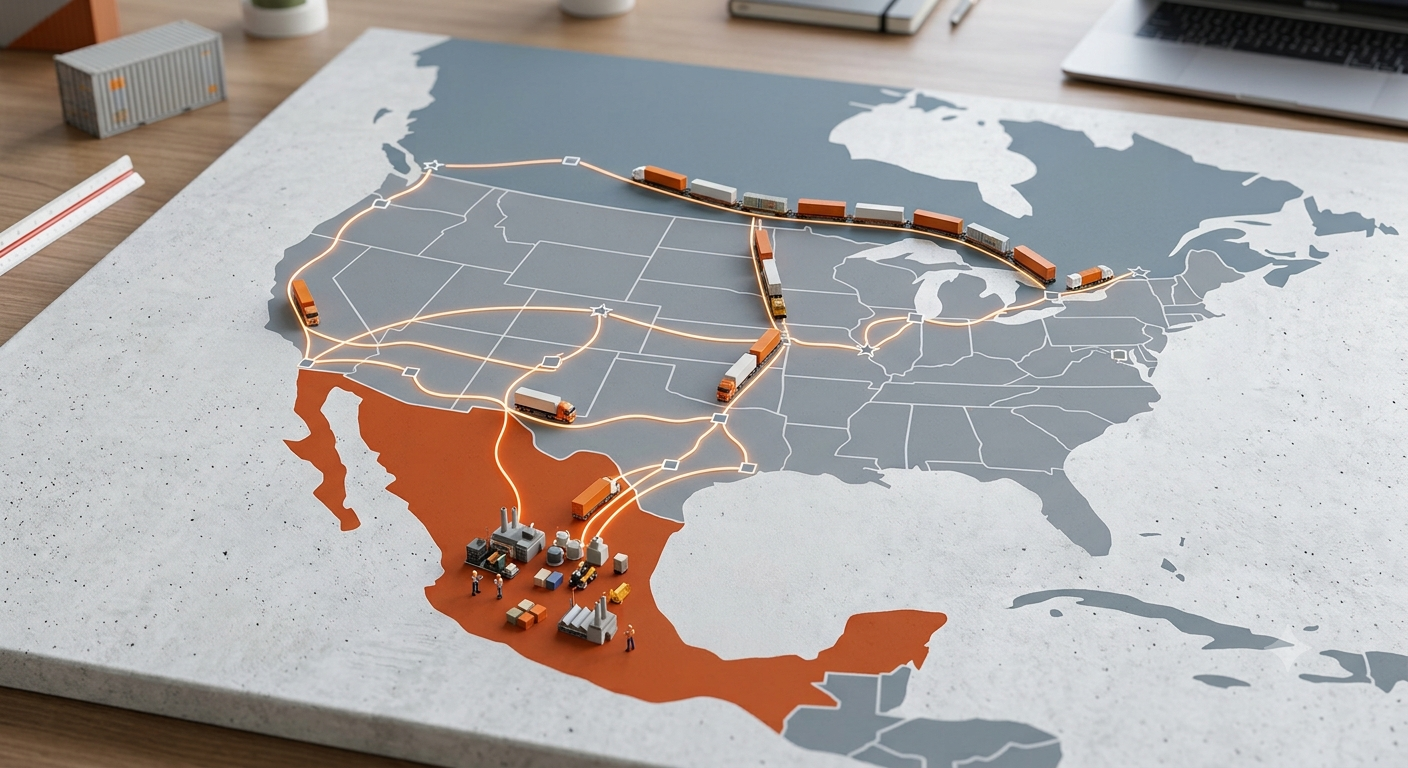
Let’s set the stage: in 2023, Mexico surpassed China to become America’s top trading partner, sending more than $475 billion in exports north of the border. Foreign direct investment in Mexican manufacturing has been growing at double-digit rates since 2019, across sectors from autos to electronics to medical devices.
Yet, despite the headlines, we’re still in the early innings. Mexican enthusiasm for nearshoring has outpaced U.S. corporate follow-through, which means there’s still room for first movers to shape the story. And while much of the spotlight shines on Mexico’s central and northern industrial corridors, cities like Matamoros offer operational advantages hiding in plain sight.
Why Matamoros Matters for Operators
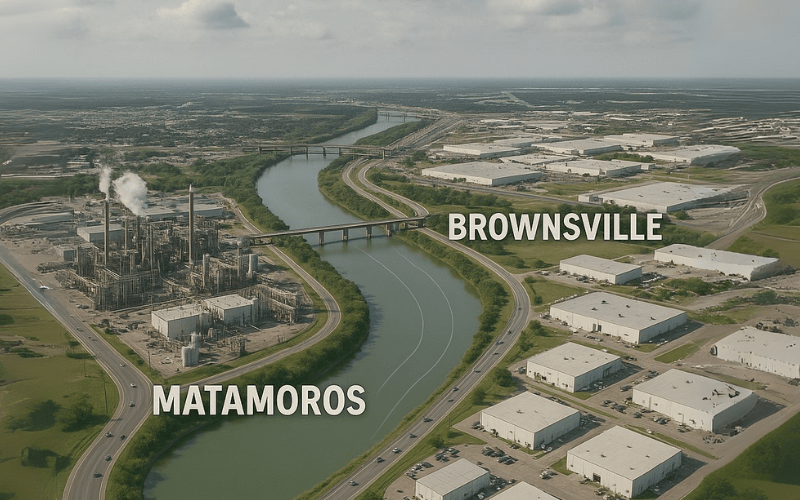
According to analyst Jacob Shapiro, Matamoros isn’t just a dot on the map. It has three things operations leaders should care about. First is geography: the city sits directly across from Brownsville, Texas — one of the fastest-growing metro areas in the U.S. Together, they form a binational logistics zone with rare convergence: river, Gulf access, and land trade routes in one package.
Second is history: Matamoros was an early birthplace of Mexico’s maquiladora model. Its industrial DNA is proven, and today’s costs remain more competitive than crowded hubs like Monterrey or Ciudad Juárez. Finally, there’s opportunity: Tamaulipas has received less than 2 percent of nearshoring investment in recent years. This leaves Matamoros as a great first-mover option. Here, you won’t face the bidding wars for talent and space found in other areas.
The Challenges — and Why They’re Manageable
Like every market, Matamoros comes with challenges. Security concerns linger, given the region’s history with cartel activity. That said, violence has stabilized into a more predictable pattern — and for many operators, predictable risk is manageable risk.
Infrastructure is another factor, with power and water availability still catching up to industrial demand. Much depends on federal investment and cross-border Rio Grande resources.
Finally, there’s a perception gap: while English-language headlines often emphasize crime, they rarely highlight the city’s logistics advantages or binational economic momentum. For operators, the takeaway is clear — the risks are real, but not disqualifying, particularly if balanced with strong local partnerships and redundancy planning.
A Turning Point for the Region
Despite these headwinds, Matamoros is approaching a turning point. Politically, Morena’s control at both the state and federal levels — and the expectation that Claudia Sheinbaum will maintain a pragmatic, business-friendly stance — is fostering a more stable environment than in previous cycles. The rise of Brownsville just across the border is another game-changer. With SpaceX’s Starbase expansion and new U.S. capital flowing into the Rio Grande Valley, Matamoros benefits directly from the synergies of a binational metroplex.
Labor dynamics add to the momentum: wages are rising but remain competitive, and the city offers a more reliable workforce pipeline than oversaturated hubs elsewhere in northern Mexico. For operators weighing location strategies, these shifts create an unusually favorable window to act.
What Operations Leaders Should Do Now
If you’re evaluating nearshoring strategies, Matamoros offers real options. Here’s how to approach it:
- Assess dual-market potential: Think of Brownsville–Matamoros as one integrated logistics node.
- Plan for infrastructure workarounds: Build in redundancy for electricity and water until reliability improves.
- Lean into first-mover advantage: Early entrants face less competition for land, labor, and incentives.
- Watch the four signposts: Political shifts, infrastructure investment, security trends, and the U.S.-China trade balance.
Closing Thought
Matamoros may not have the name recognition of Monterrey, but geography is destiny. As nearshoring evolves from a headline trend into day-to-day operational reality, this “overlooked gateway” could become one of the smartest plays for U.S. firms that need to control costs, reduce risk, and position supply chains closer to home.
Interested in exploring how Matamoros could fit into your supply chain strategy? Reach out to The Nearshore Company — we’re helping operators make nearshoring work in practice, not just on paper.